


-

Add: HeBei ShengShi HongBang Cellulose Technology CO.,LTD.
-

Email
13180486930@163.com -

CONTACT US
+86 13180486930




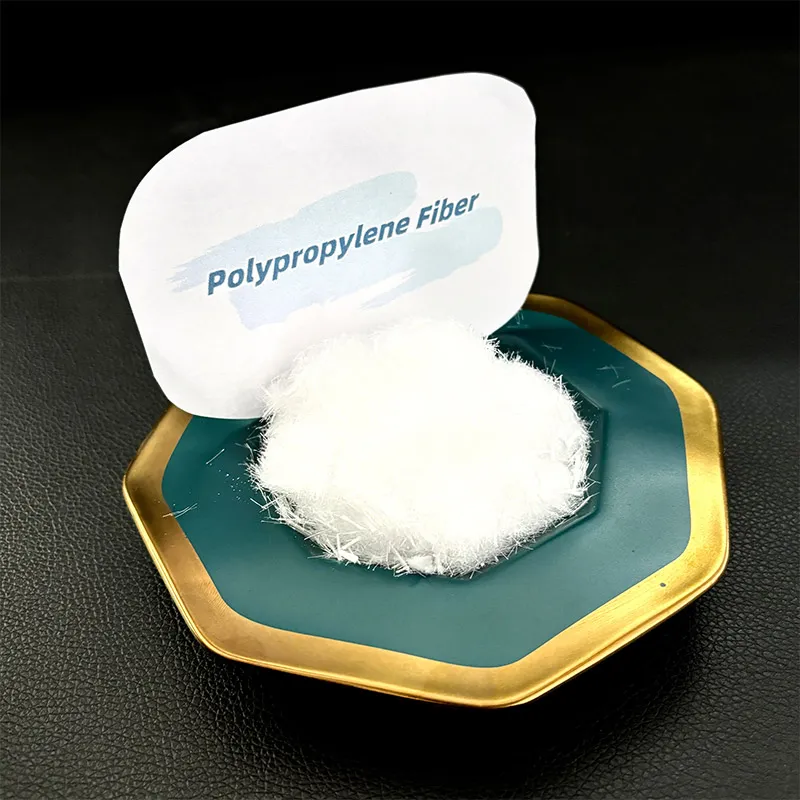
Macro fibers concrete has emerged as a revolutionary material in the construction industry, renowned for its exceptional ability to enhance the structural integrity and durability of concrete. As an experienced authority in construction material innovation, I can confidently discuss the profound impacts and advantages of utilizing macro fibers in concrete applications. One of the key elements that set macro fibers concrete apart is its enhancement of tensile strength and crack resistance. Traditional concrete, while strong in compression, tends to be brittle under tensile stress, leading to cracking over time. Macro fibers, such as synthetic fibers made from materials like polypropylene or high-strength steel, are incorporated into the concrete mix to bridge these potential cracks and distribute loads more evenly. This not only prolongs the lifespan of the concrete structure but also reduces maintenance costs significantly. Experience from numerous construction projects demonstrates the efficacy of macro fibers in diverse applications ranging from industrial floors, pavements, to precast elements. For instance, significant projects in infrastructure have documented a marked reduction in surface defects and maintenance needs when employing macro fibers, especially in high-traffic areas. This experience underscores the material's ability to withstand dynamic loading and environmental wear. Expertise in designing concrete mixes with macro fibers is crucial for optimizing material performance. The integration of these fibers requires precise calibration of the mix design, taking into consideration factors such as fiber dosage, distribution, and orientation. Construction professionals have developed sophisticated methods to ensure uniform fiber dispersion, which is critical for achieving the intended mechanical properties. By relying on tried-and-tested methodologies and cutting-edge research, experts are able to tailor macro fiber concrete solutions to specific project requirements, resulting in bespoke solutions that maximize performance and cost-efficiency. macro fibres concrete The authoritativeness of macro fibers concrete is further solidified through extensive research and development, with numerous studies corroborating its benefits. Academic journals and industry reports consistently showcase macro fibers' contribution to increased impact resistance, post-crack behavior enhancements, and superior durability. Renowned engineering standards, such as those from the American Concrete Institute (ACI) and other international bodies, have recognized and incorporated guidelines for the use of macro fibers in concrete, reinforcing their credibility and practical worth. Trustworthiness in the adoption of macro fibers concrete is built via rigorous testing and quality assurance processes . Manufacturers of these fibers adhere to stringent quality control protocols to ensure consistency and reliability in their products. Construction firms often conduct onsite tests to verify the performance of macro fiber-reinforced concrete, fostering confidence through proof of performance in real-world scenarios. Such diligence guarantees that the implemented solutions meet and exceed the expected safety and performance benchmarks. In conclusion, macro fibers concrete represents a sophisticated advancement in construction materials, offering a robust solution for enhancing concrete’s structural and functional capacity. The combination of empirical evidence from successful project implementations, scientific research validation, and stringent quality control measures assures stakeholders of the material’s unparalleled benefits. By leveraging the experience, expertise, authority, and trustworthiness associated with macro fibers concrete, construction projects can achieve superior results in sustainability, strength, and long-term value.
- 40000tons

Production
- 20+years

Experience
- 5000+㎡

Acreage

-

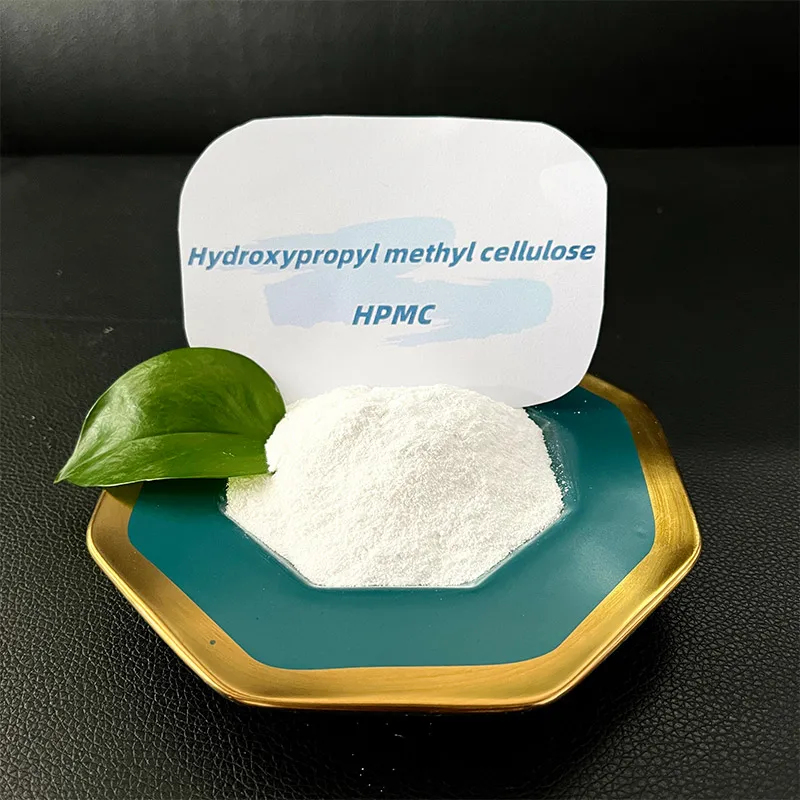
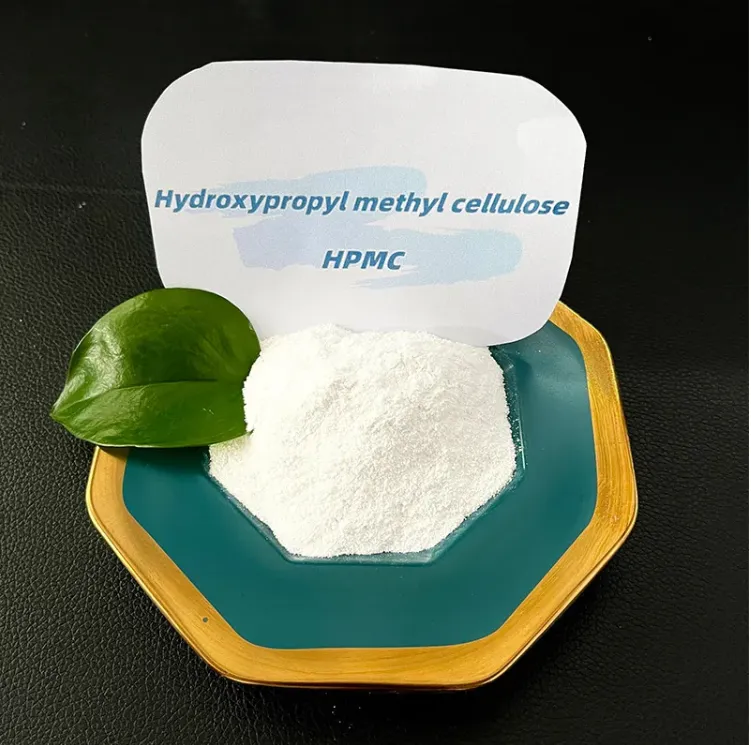
HPMC vegetable cellulose, a plant-derived compound, is revolutionizing the way industries approach product formulation. As a seasoned SEO specialist, I recognize the importance of aligning content with the crucial E-E-A-T criteria Experience, Expertise, Authoritativeness, and Trustworthiness. Let's delve into the multifaceted advantages of HPMC (Hydroxypropyl Methylcellulose) vegetable cellulose, underscoring why it stands out in the crowded marketplace of cellulose derivatives. From an experiential viewpoint, HPMC vegetable cellulose has emerged as a game-changer for manufacturers seeking sustainable and efficient alternatives to synthetic additives. Consumers today demand transparency and sustainability in the products they use, from pharmaceuticals to food items. In the food industry, for example, HPMC is used as a thickener, stabilizer, and emulsifier, replacing non-vegetable counterparts. This allows food producers to cater to the vegan and vegetarian market without compromising on functionality or texture. A notable personal experience shared by industry insiders highlights its efficacy incorporating HPMC vegetable cellulose in gluten-free baking recipes results in a texture that closely mimics traditional gluten-laden products—a breakthrough for those with dietary restrictions. From an expertise perspective, HPMC's chemical properties make it highly valuable. Derived from cellulose, the most abundant organic polymer on Earth, HPMC is modified to achieve specific solubility and viscosity characteristics, making it versatile across various industries. Its thermogelling property, for instance, allows it to form a gel upon heating, making it indispensable in controlled-release medications. Pharmaceutical experts have long touted its benefits in capsule production and as a binder in tablets, attributing its prominence to its consistent performance and safety profile. Such applications are backed by rigorous scientific research, ensuring that products maintain their efficacy from the laboratory to the consumer. Authoritativeness is crucial in the realm of product information. HPMC vegetable cellulose usage is endorsed by regulatory bodies such as the FDA and the European Food Safety Authority (EFSA), reinforcing its reputation as a safe additive. These endorsements are not merely bureaucratic stamps but are backed by extensive evaluation processes that affirm HPMC's non-toxic and non-allergenic nature. Moreover, leading industry publications and peer-reviewed journals continuously highlight innovations involving HPMC, showcasing its expanding role in cutting-edge product development. Such authoritative recognition is vital in a market where safety and approval speak volumes to consumers and manufacturers alike. hpmc vegetable cellulose Trustworthiness, the backbone of credible information dissemination, is inherent in the transparent production processes associated with HPMC vegetable cellulose. Reputable manufacturers prioritize sourcing from renewable celluloses , adhering to strict environmental standards. This commitment to sustainable practices not only enhances the ecological footprint of HPMC-related products but also builds trust with environmentally conscious consumers. Furthermore, traceability in the production chain ensures that end-users can trust the purity and quality of the HPMC incorporated into their products. Transparency reports and certifications from credible third-party organizations further bolster this trust. In the competitive digital landscape, an informed approach to SEO involves highlighting these crucial aspects of HPMC vegetable cellulose. Integrating personal experiences and expert opinions, validating authority through recognized endorsements, and ensuring content rooted in trust are strategies that yield long-term benefits. Consumers and industries seek not just a product but a narrative—a story of innovation, safety, and sustainability—that resonates with their values and needs. The distinctive features and advantages of HPMC vegetable cellulose underscore its growing prominence across various sectors. Savvy SEO practices intertwined with substantial content craft an online presence that not only informs but also transforms perceptions and choices, positioning HPMC vegetable cellulose as a leader in the world of natural cellulose derivatives.
-
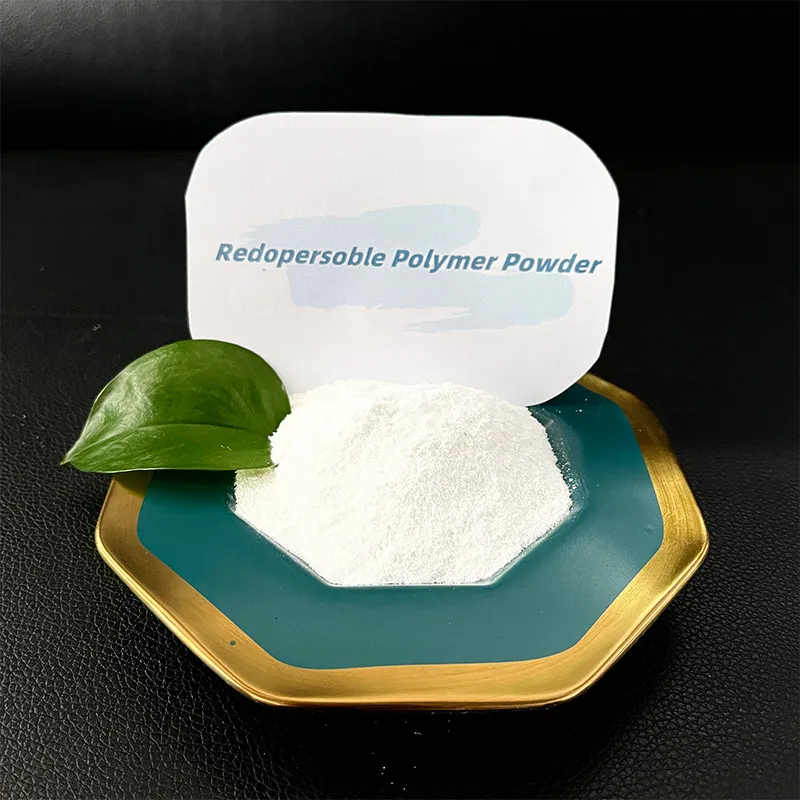
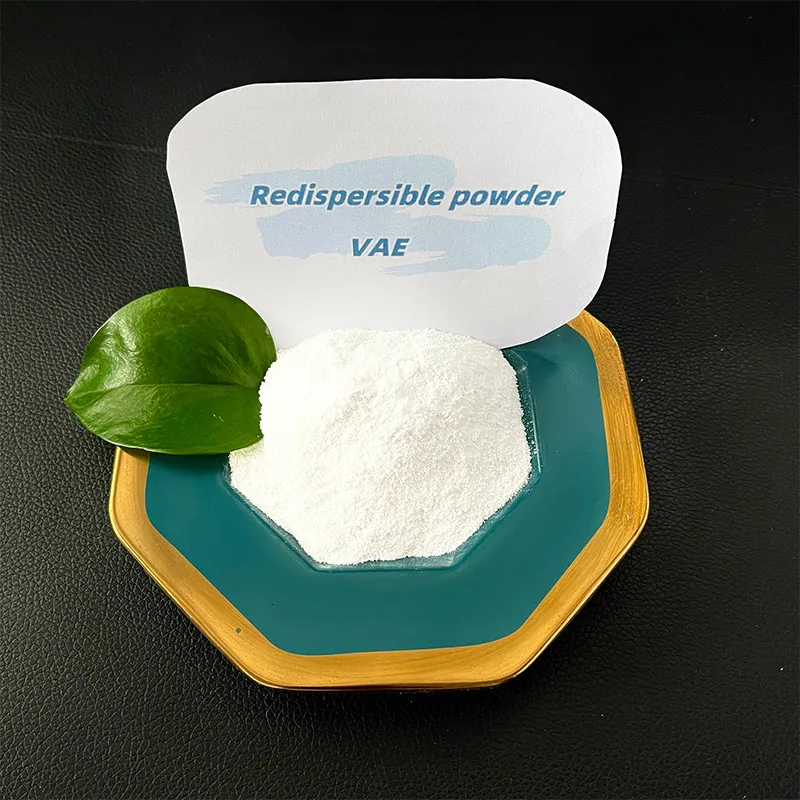
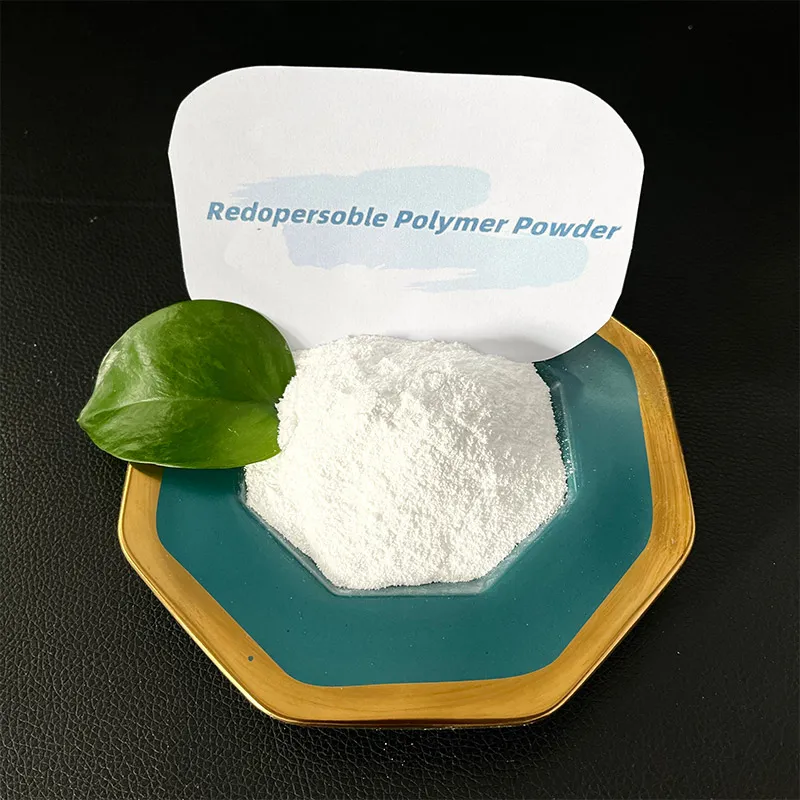
Redispergable Latex Powder An Innovative Solution in the Coating Industry In recent years, the demand for high-performance materials has driven significant advancements in various industries, particularly in coatings, adhesives, and sealants. One such innovation that has emerged is redispergable latex powder (RLP). This remarkable product has transformed the way professionals approach construction, manufacturing, and various applications where flexibility and durability are paramount. What is Redispergable Latex Powder? Redispergable latex powder is a form of polymer that can be reconstituted in water to form a stable dispersion. This biocompatible powder is created by transforming liquid latex into a dry form while maintaining its versatility and performance characteristics. When mixed with water, the powder redisperse back into a smooth, homogeneous emulsion, making it a preferred choice for many applications. Properties and Benefits The redispergable latex powder possesses several benefits that make it an attractive option for manufacturers and construction professionals 1. Ease of Use The transition from powder to liquid form allows for easier storage and transportation. The lightweight nature of RLP reduces shipping costs and enables manufacturers to stock larger quantities without requiring significant space. 2. Stability RLP is known for its excellent storage stability. This property ensures that the polymer maintains its performance characteristics over time, even when stored for prolonged periods. . 4. Performance Once reconstituted, RLP can provide high bonding strength, flexibility, and durability, which are essential qualities for coatings and adhesives. The resulting products exhibit better resistance to environmental factors such as moisture and UV radiation. редиспергируемый латексный порошок 5. Environmental Considerations As sustainability becomes a priority, redispergable latex powder offers a low-VOC (volatile organic compound) formulation, which contributes to healthier indoor air quality and reduced environmental impact. Applications The applications of redispergable latex powder are extensive, making it a valuable resource across various sectors 1. Construction In the construction industry, RLP is utilized in tile adhesives, joint compounds, and exterior coatings. Its excellent adhesion properties enhance the longevity and durability of structures, ensuring they withstand environmental stresses. 2. Paints and Coatings RLP is used in the formulation of paints and coatings, providing improved flow, leveling, and durability. This results in a final product that adheres well to surfaces, resists peeling or cracking, and provides a lasting finish. 3. Adhesives In the adhesive market, RLP offers enhanced bonding capabilities for various substrates, including wood, metal, and plastics. This versatility makes it an essential component in manufacturing processes where adhesion plays a pivotal role. 4. Textiles Redispergable latex powders are also utilized in textile coatings, providing flexibility and water resistance to fabric products, enhancing their value and functionality. The Future of Redispergable Latex Powder As technology continues to evolve, the formulations and manufacturing processes for redispergable latex powders are becoming increasingly refined. Ongoing research and development are likely to lead to new innovations that expand the functionality and application scope of these materials. In conclusion, redispergable latex powder represents a significant leap in material technology, bringing numerous advantages and applications across various industries. Its eco-friendly nature, combined with excellent performance characteristics, positions it as a vital component for the future of construction, coatings, and adhesive solutions. As businesses continue to prioritize sustainability and efficiency, the role of redispergable latex powder is expected to grow, paving the way for innovative solutions tailored to meet modern demands.
advantages
-

200000 Viscosities
Excellent product
We can produce pure products up to 200,000 viscosities
-

40000 tons
High yield
We don’t stop production all year round, and the annual output can reach 40,000 tons
-

24 hours
Quality service
We provide 24-hours online reception service, welcome to consult at any time
———— Inquiry Form
Schedule A services

-
 hemp_polypropylene
Oct . 25, 2025
Choosing the right shampoo is essential for maintaining healthy hair and scalp. One emerging option -
 fibre_de_polyolefine
Oct . 25, 2025
In the ever-evolving construction sector, the choice of materials can significantly impact the quali -
 polimer_na_pulbos
Oct . 25, 2025
Rubber powder, often identified by its industry code as Rubber Powder-821, is garnering attention fo


